The history of Chinese furniture is a history of change closely intertwined with social culture and lifestyle. From its initial simple, floor-dwelling forms, to the gradual evolution during the Wei, Jin, and Northern and Southern Dynasties, to the innovations of the Sui and Tang Dynasties, the maturity of the Song and Yuan Dynasties, and finally its peak during the Ming and Qing Dynasties. Let us travel through time together to appreciate the millennia-long evolution of Chinese furniture.
Early prototypes and sitting on the ground (Xia, Shang, Zhou – Qin and Han dynasties)
In the distanceXia, Shang and ZhouDuring this period, the concept of furniture was still in its infancy. People used mats as their primary living utensil. The history of mats can be traced back to the Stone Age, when early people used thatch, leaves, bark, or animal hides as mats to avoid dampness and cold. The earliest archaeological discoveries are of mats made of reeds and bamboo from the Neolithic period, dating back more than 6,000 years. These can be considered the oldest furniture and the ancestors of beds.
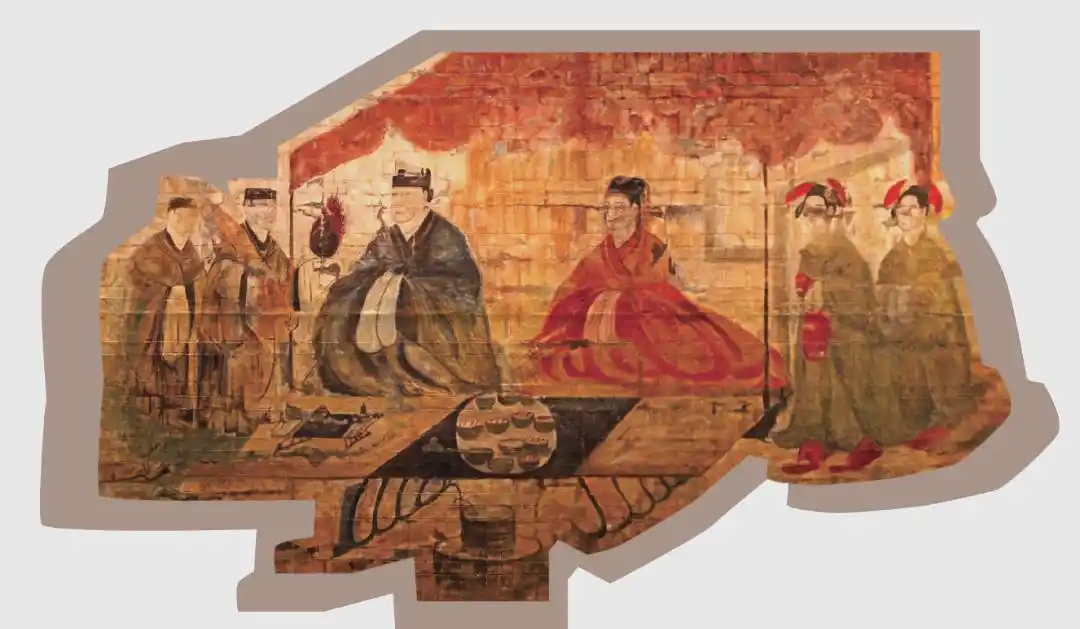
arriveQin and HanDuring this period, although daily life still mainly involved sitting on the floor, furniture began to show a trend towards taller shapes. While the furniture at this time was still low, it already showed signs of development towards height. An important shift occurred in the late Eastern Han Dynasty, with the introduction of the Hu bed (a type of folding, lightweight seating, similar to a folding stool or armchair), laying the groundwork for the later lifestyle of "sitting with legs dangling".
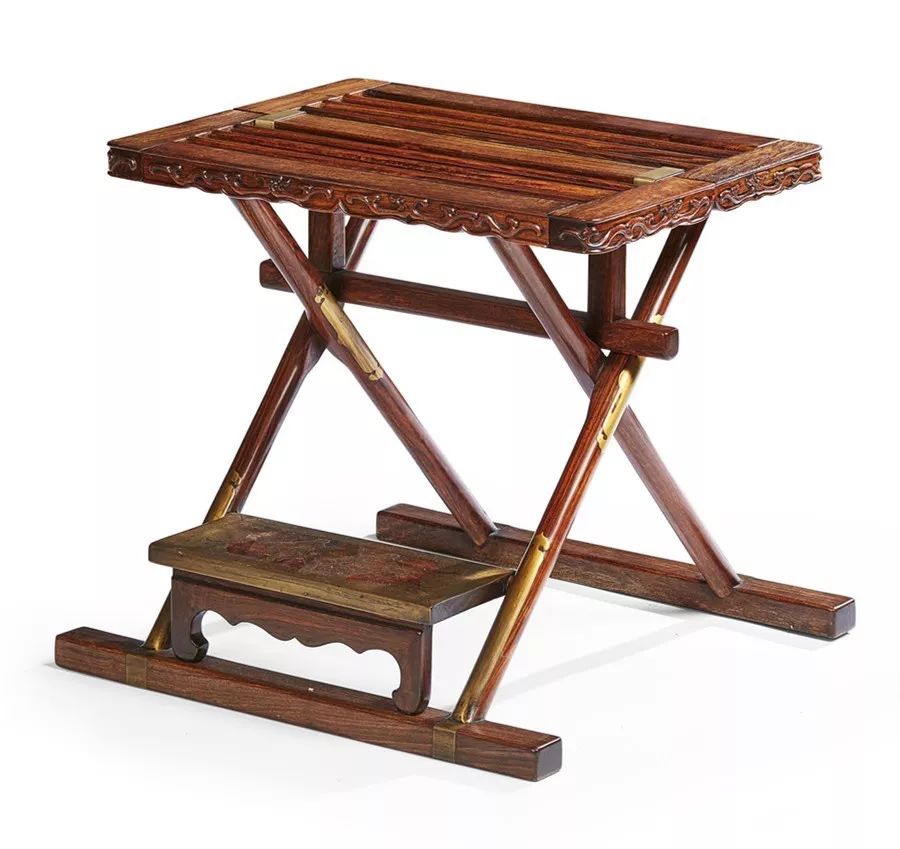
"交橌"
| period | Main features | Representative furniture | lifestyle |
|---|---|---|---|
| Xia, Shang and Zhou | In the early stages of furniture making, mats were the primary living utensil. | seat | Sitting on the ground |
| Qin and Han | Sitting on the floor became the norm, furniture became increasingly taller, and the folding chair (Hu bed) was introduced. | tatami mat, small table | Sitting on the floor is beginning to change |
The rise and popularization of tall furniture (Wei, Jin, Northern and Southern Dynasties – Sui, Tang and Five Dynasties)
Wei, Jin and Southern and Northern DynastiesThis period marked a significant turning point in the history of Chinese furniture development. Folding screens and stone couches are important testaments to the integration of the Chinese nation. Tall furniture made its dazzling debut at this time! From the Western Jin Dynasty onwards, the etiquette of kneeling gradually faded. By the Northern and Southern Dynasties, tall seating furniture such as beds, couches, chairs, and stools became popular, and people's lifestyles subtly changed accordingly.

"Weitao"
EnterSui, Tang and Five DynastiesFurniture designs tended to be sturdy and heavy, giving a sense of stability and comfort. This period saw the coexistence of furniture of varying heights, with the traditional sitting posture gradually being abandoned and sitting with legs hanging down becoming increasingly popular. What may seem like just a slight change in height actually reflects a transformation in people's mindset and lifestyle.
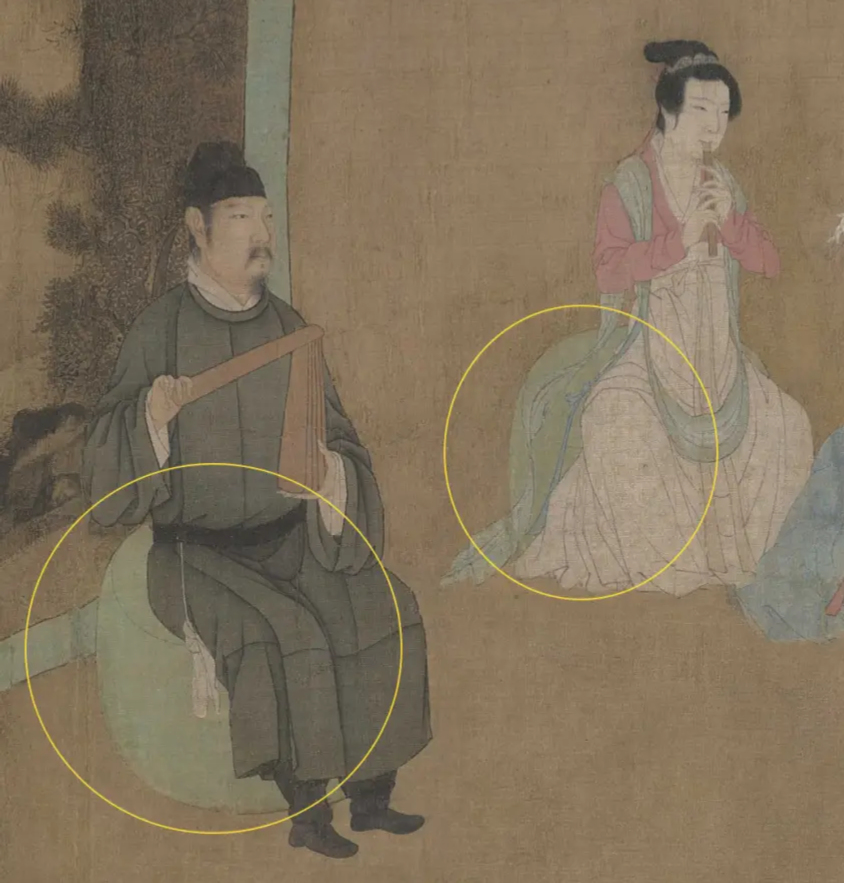
“Dun”
| period | Main features | Representative furniture | lifestyle |
|---|---|---|---|
| Wei, Jin and Southern and Northern Dynasties | The emergence and popularity of tall furniture led to a decline in the etiquette of kneeling. | Bed, couch, chair, stool, screen | Sitting on the floor and sitting with legs hanging down coexist. |
| Sui, Tang and Five Dynasties | Furniture of varying heights coexisted, with sitting on one's dangling legs gradually becoming the mainstream, and furniture designs becoming sturdy and heavy. | Stool, chair, table | Sitting with legs hanging down is becoming increasingly popular |
Maturity and Peak (Song and Yuan Dynasties – Ming and Qing Dynasties)
Song and YuanDuring this period, tall seating became commonplace among ordinary people, and sitting with legs dangling became the social norm. Song Dynasty furniture was renowned for its elegance, emphasizing practicality and comfort, reflecting the Song people's pursuit of a natural and simple aesthetic. The Song Dynasty was an era that increasingly incorporated literati elements, with scholars also participating in the design of furniture and other objects. Classic designs such as the official's hat chair emerged during this period.
Ming and Qing DynastiesThe Ming Dynasty was the pinnacle of Chinese furniture development! Ming-style furniture features simple and rustic designs, exquisite mortise and tenon joints, and embodies the refined taste of literati, pushing ancient furniture to its zenith. Qing-style furniture, on the other hand, uses exquisite materials, has a large and heavy design, and is luxuriously ornate, showcasing a grand and opulent style.
| period | Main features | Representative furniture | lifestyle |
|---|---|---|---|
| Song and Yuan | Tall seating became popular, sitting with legs hanging down became the mainstream, and furniture emphasized practicality, comfort, and literati aesthetics. | Official hat chair, grand master chair, long table | Sitting with legs hanging down |
| Ming and Qing Dynasties | The pinnacle of furniture development. Ming style is simple and elegant, while Qing style is magnificent and opulent. |
Ming styleRosewood (Dalbergia cochinchinensis), Suzhou-style round-back chair Qing styleRosewood (Dalbergia cochinchinensis), Imperial Palace Chair |
Sitting with legs hanging down |
Appreciation of Song Dynasty Official Hat Chair
The Song Dynasty official's hat chair is an outstanding representative of furniture from this period. Its name comes from its shape, which closely resembles the hat of an ancient official.
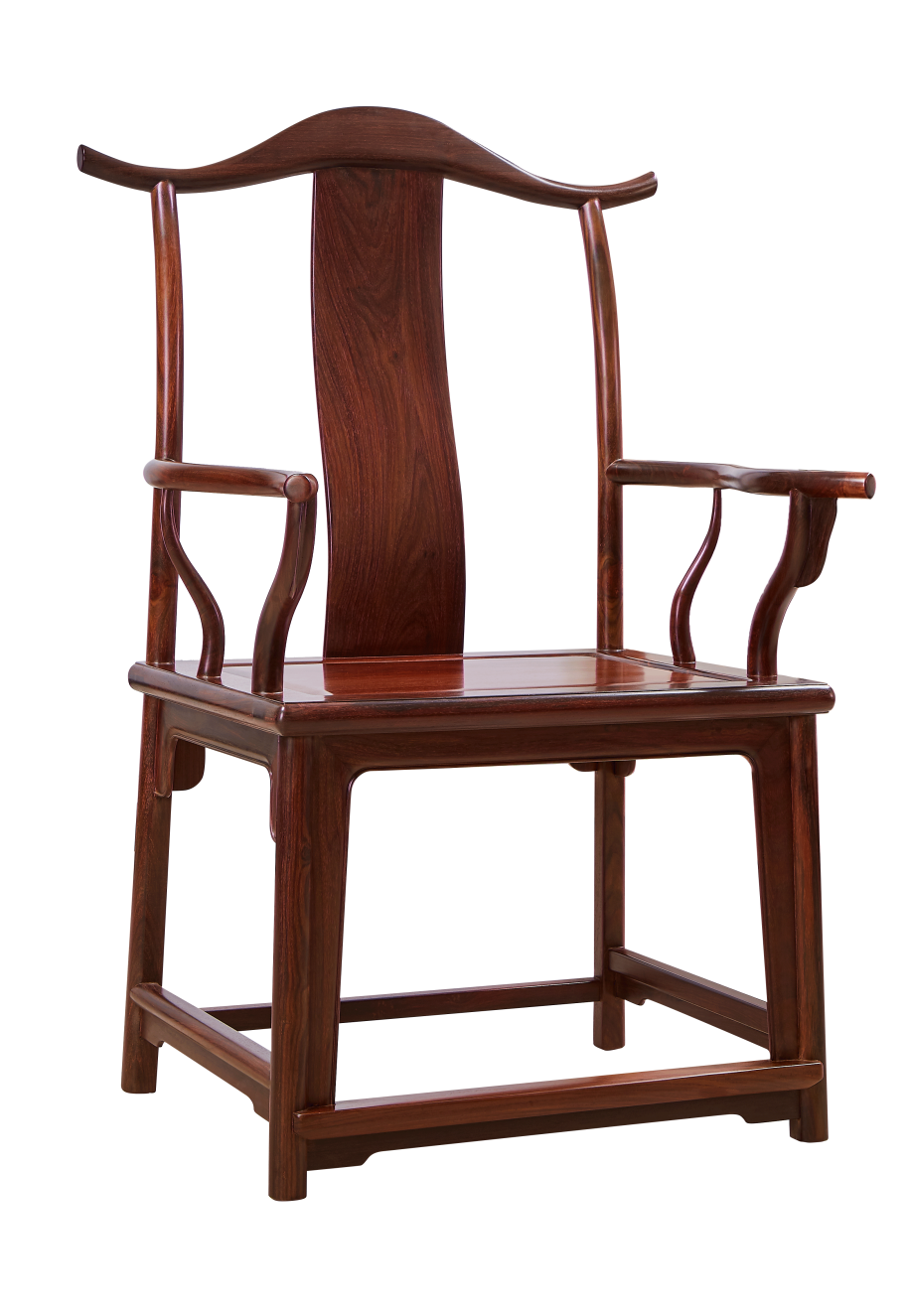
- Four-cornered official's hat chairIt is named "Si Chu Tou" because its headrest and armrests extend outwards, which is a homophone for "Shi Chu Tou" (meaning "to rise to officialdom"), implying a smooth career path.
- Southern official's hat chairThe headrest and armrests do not protrude, which is a homophone for "difficult to stand out," and the design is relatively understated.
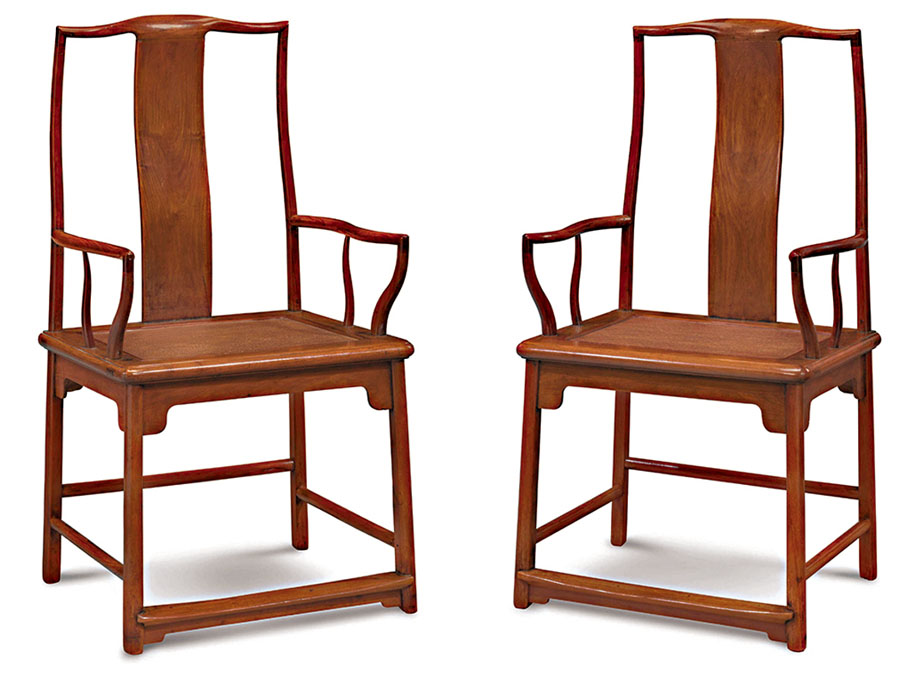
Comparison of classic chair styles from the Ming and Qing dynasties
Chairs from the Ming and Qing dynasties differed significantly in style, reflecting the aesthetic tastes of different eras.
- Ming-style round-back chairRenowned for its flowing lines and elegant shape, it embodies the simplicity and ethereal beauty pursued by Ming Dynasty literati. Its iconic circular armrest symbolizes harmony and unity.
- Qing-style round-back chairThe latter appears more elegant and luxurious, with thicker materials and more elaborate carvings and decorations, showcasing the majesty and grandeur of the Qing Dynasty imperial family.
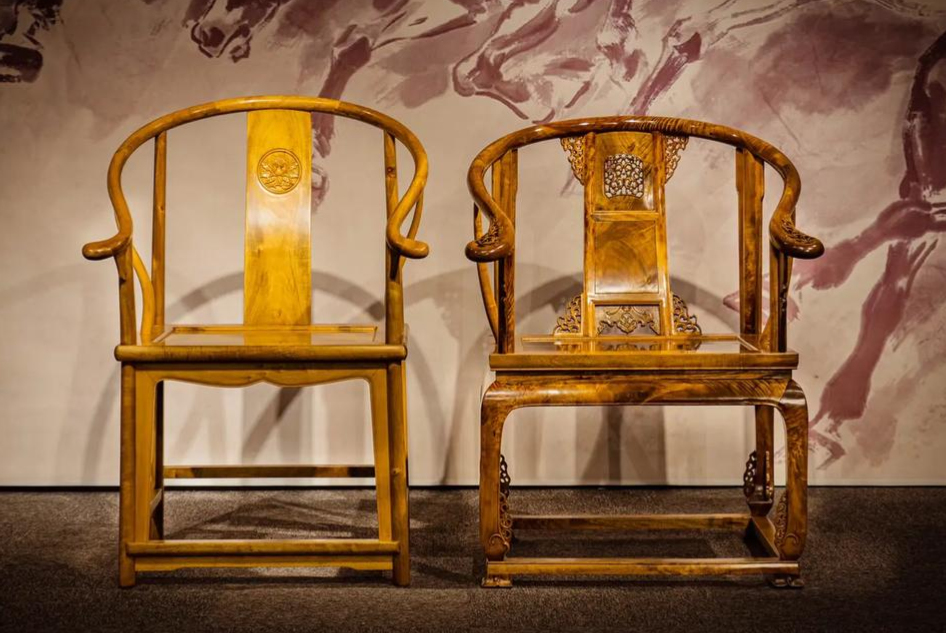
"Left Ming style, right Qing style"
The history of Chinese furniture is not only an evolution of its forms, but also a vivid reflection of Chinese culture and philosophy of life. From simple utensils initially designed to meet basic living needs, to the timeless masterpieces of the Ming and Qing dynasties that combined practicality, artistry, and philosophical depth, each piece of furniture bears the imprint of its era and the wisdom of its craftsmen. Hopefully, this overview will help you better understand this fascinating history.

 Chinese
  English