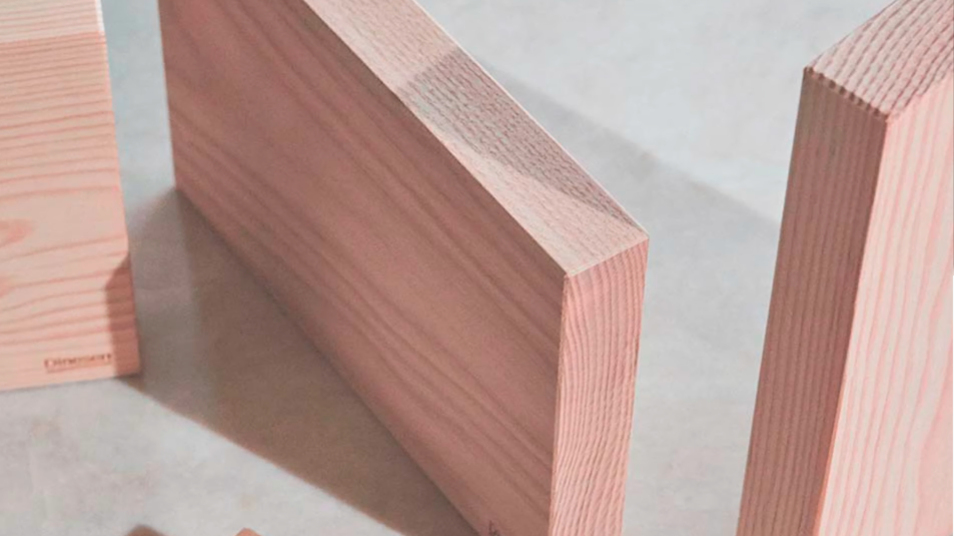
now thatsolid wood flooringVery expensive, are there any alternatives? The answer is yes, option one: Engineered Flooring. Engineered flooring possesses all the advantages of solid wood flooring mentioned earlier. Frankly, it's difficult to tell the difference on the surface; its texture and appearance are virtually indistinguishable from traditional solid wood flooring.
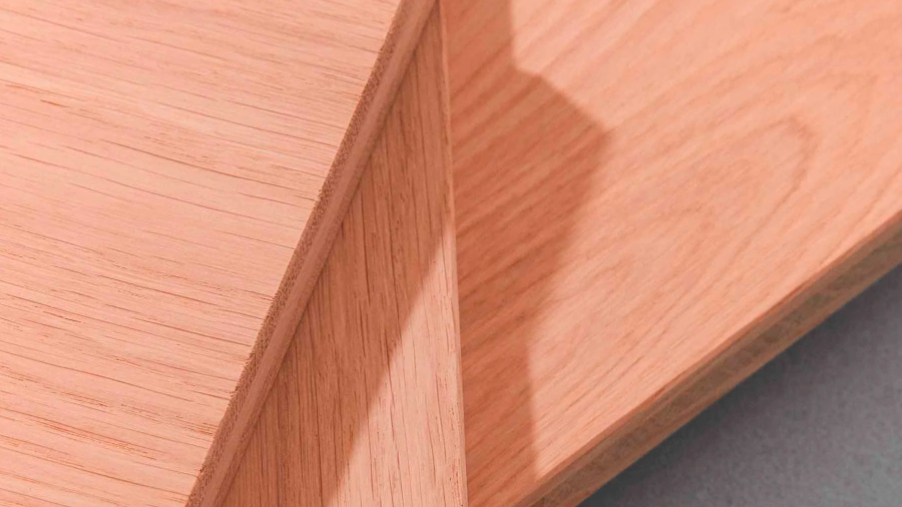
Composite flooring has a solid wood veneer as the top layer, a natural cork board as the middle layer, and a rotary-cut board or plywood as the bottom layer. Each layer is arranged at 90 degrees to the other, with straight grain on the veneer, horizontal grain on the middle layer, and 90-degree grain on the bottom layer. This mutual restraint effectively reduces the impact of weather temperature, making the boards less prone to warping and buckling. Its condition is relatively more stable than solid wood flooring.
Composite wood flooring still has a real wood surface, so you can still feel the warmth of the wood and enjoy the details and textures of natural wood – an advantage that imitation wood products lack. Composite wood flooring can be sanded; some say it can't, claiming that sanding will remove the surface layer. However, the surface veneer isn't like paper. Although each flooring company's products differ, moderate sanding is fine. Flooring companies will provide the number of times the wood can be sanded, usually an actual number.
Compared to solid wood flooring, engineered wood flooring is more moisture-resistant and better suited for humid environments. However, it is still not waterproof. But how many times in your life will you experience a burst pipe, a leaky toilet, or a dripping washing machine? You have to weigh the risks yourself. Both types of wood flooring tend to hold their value well because they are ultimately wood products.
However, when it comes to money, the downside is that it's still quite expensive. While not as pricey as solid wood flooring, it's still in the mid-to-high price range. Another drawback of engineered wood flooring is its durability. Because the top layer is made of solid wood, as mentioned earlier, it's prone to small dents or scratches, just like solid wood flooring. If you're a perfectionist, engineered wood flooring might not be suitable for you.
The most direct way to distinguish between solid wood flooring and engineered wood flooring is to visit a wood flooring company and experience the wood yourself. The biggest difference between solid wood furniture and veneer furniture is the texture. Engineered wood flooring has a surface layer of planed wood veneer, which may not be able to replicate the deep grain of solid wood flooring. Aside from that, it's difficult to tell the difference with the naked eye.
The next most common type of flooring is laminate flooring, also known as seamless flooring or laminate, which is mainly made of high-density fiberboard and is not actually wood. This type of flooring uses plant fiber raw materials to process into boards, and then uses printing technology to print wood grain onto the top layer. The surface is covered with a layer of hardened resin to help enhance wear resistance.
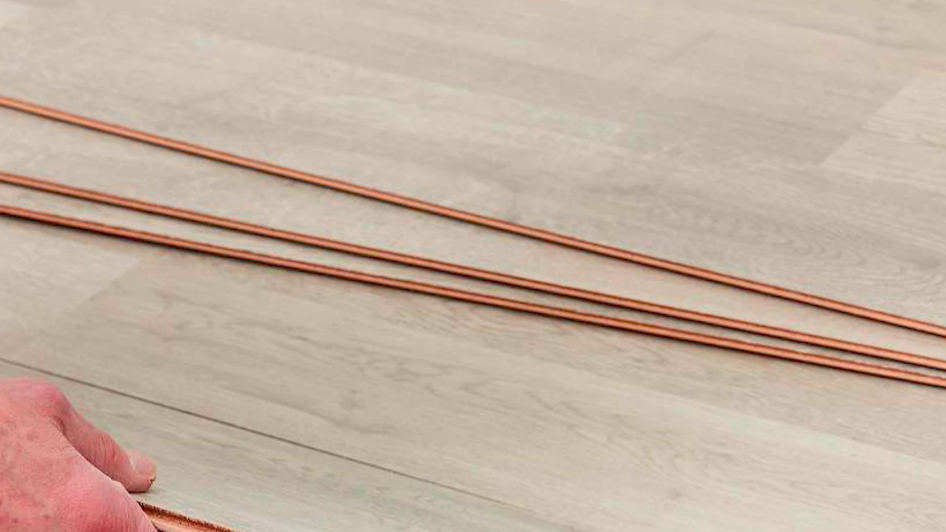
Compared to other wood-based flooring, fiberboard's most prominent feature is its seamless construction, making it more aesthetically pleasing, hence the name "seamless flooring." It typically features seamless, glue-free splicing, and its mortise and tenon design makes installation easier, suitable for DIY projects. Installation costs are relatively lower than for wood flooring, and combined with its lower retail price, it's an economical and practical choice.
Fiberboard has a smooth surface that doesn't easily accumulate dust, making it easier to clean. The wood grain you see is printed on, with added texture to mimic natural wood. Older products had a lower degree of tactile realism, but this has improved over the years. Flooring companies offer a wide variety of textures for each type of flooring, making it visually difficult to see repeated wood grain patterns unless the installer places two identical pieces together. Of course, this isn't a problem with solid wood or engineered wood flooring, as no two pieces of wood in the world are exactly alike.
To be fair, the printed layer on the surface of fiberboard flooring is inferior to solid wood flooring in both appearance and feel, and it is not as natural as real wood. The fiberboard in the middle layer of fiberboard flooring is made of wood chips, wood powder, and resin, which easily absorbs moisture. If it is soaked in water for a long time, it will swell and even deform. Damage to fiberboard flooring is irreparable. If it warps or swells, it needs to be completely removed and redone. So you should consider that you may save money when you start decorating, but you may have to spend more money on repairs in the future.
Lastly, I'd like to introduce Vinyl Flooring. Some companies add "Luxury" before it, like "Luxury Vinyl Flooring," but I think that's just a marketing tactic. I don't think "Luxury" makes it sound more upscale. It's essentially just vinyl flooring, and the difference is huge. Like fiber flooring, the wood grain is printed on, and the underlying material is synthetic. Vinyl flooring can be broadly categorized into polyvinyl chloride (PVC), polyethylene (PE), and polypropylene (PP) flooring. There's no need to differentiate them; the main difference is elasticity. It can be roughly divided into three types: hard, semi-hard, and resilient flooring.
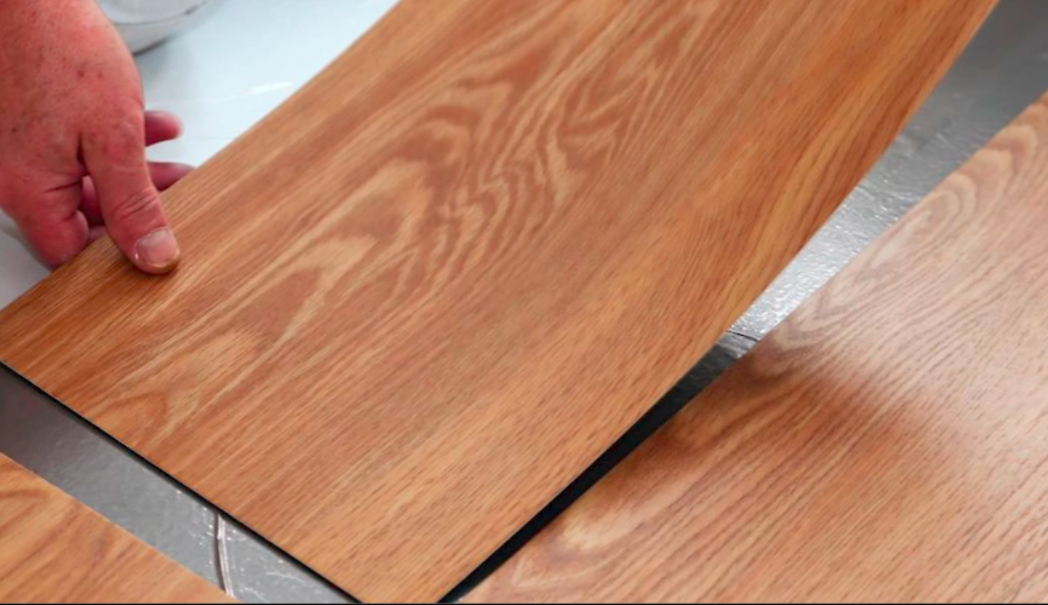
Its advantages include affordability, waterproofing and moisture resistance, a smooth surface that doesn't easily attract dust and stains, and easy maintenance—it can be cleaned with virtually any cleaning products. It also boasts the highest durability. This type of flooring is recommended for commercial public areas such as cafes and restaurants, while it's most suitable for residential use in kitchens and bathrooms due to its 100% waterproof nature.
Another advantage of vinyl flooring is its ease of installation. It comes in various options, such as interlocking panels, where each piece essentially interlocks with the others. Vinyl flooring is quite thin, so remember to ensure the subfloor is level and clean before installation; otherwise, it will feel uneven and rough underfoot. Vinyl flooring can be cut with a sharp knife, making it suitable for DIY projects or renters, as it simply covers the existing flooring and can be removed and restored when moving out.
PVC flooring is also a printed product; the wood grain is embossed to mimic the texture and appearance of wood. It looks acceptable from a distance, but only from a distance. The downside is that it lacks the feel of solid wood and has a strong plastic look. Another serious drawback is that it fades under sunlight. I once had PVC flooring in an area, and after a year of exposure to direct sunlight, it developed a color difference from other areas. This kind of damage to PVC flooring is irreversible.
Vinyl flooring and fiberglass flooring are inherently printed materials, and sunlight is most damaging to them. They are best suited for families with children or pets, as they are the most durable and waterproof option. If you're looking for a floor that lasts a long time, requires minimal maintenance, and is relatively inexpensive, it's ideal for renters looking for a change of scenery, or for landlords renovating a room for tenants. If you're a landlord, you probably wouldn't expect tenants to handle flooring with care, so this type of flooring is recommended.
Of course, besides flooring, you can also use tiles, cement, self-leveling materials, etc., which we will talk about another time.

 Chinese
  English