
What's the most important thing when decorating a house? Paint? Furniture? Lighting? None of these, it's the floor! The floor is the place you touch most in your home, especially if you're used to going barefoot. Your skin spends far more time on the floor than on the sofa, dining chair, or desk, probably second only to the time spent in bed.
We will discuss four main types of flooring on the market: solid hardwood, engineered hardwood, laminate, and luxury vinyl. We will talk about their advantages and disadvantages and which type of customer they are suitable for.
First, a disclaimer: every flooring company offers different products, some more expensive depending on length, width, and hardness, and some even feature patented technology. But that's not the point. Today, I want to provide a quick guide to help you understand the different types of flooring more easily.
The first type is solid hardwood flooring, which, as the name suggests, is flooring cut directly from the tree. The most common types are oak, pine, and beech. Twenty or thirty years ago, teak flooring was very common, but it's now much rarer because teak is not a sustainable timber. Alternatively, you could consider teak flooring from Southeast Asian countries such as Thailand, Myanmar, and Indonesia.
Solid wood flooring can be recolored through surface treatments. For example, oak can be stained with different oils to create different effects. Darker stains can mimic the effect of walnut wood, while red stains can produce the effect of cherry wood, resulting in a variety of variations.

High-quality flooring typically uses large tree trunks, allowing for the cutting of larger planks, and the thickness of the planks can be chosen according to actual needs. Underfloor heating is very popular in Europe, Japan, and South Korea. If you're using underfloor heating, the planks should be thinner to effectively transfer heat. Incidentally, I think underfloor heating is a good investment; it's definitely useful in the cold winters of the UK, Europe, and northern China. Even in southern China, where humidity is high, underfloor heating can provide a constant temperature and keep the area dry.
Returning to solid wood flooring, it offers the most diverse installation methods and the widest range of possible arrangements among all types of wood flooring. For example...
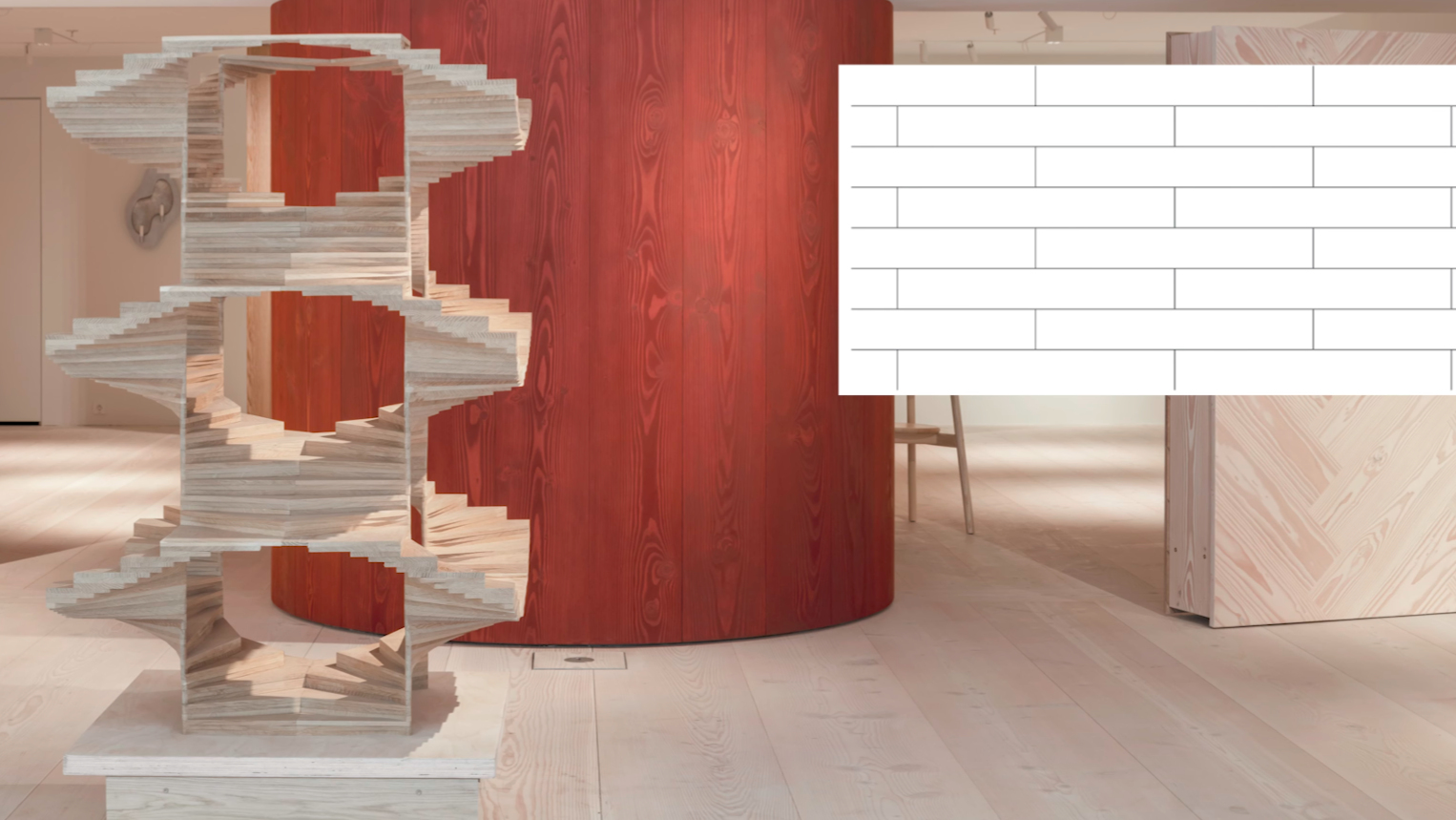
Neat straight strip splicing
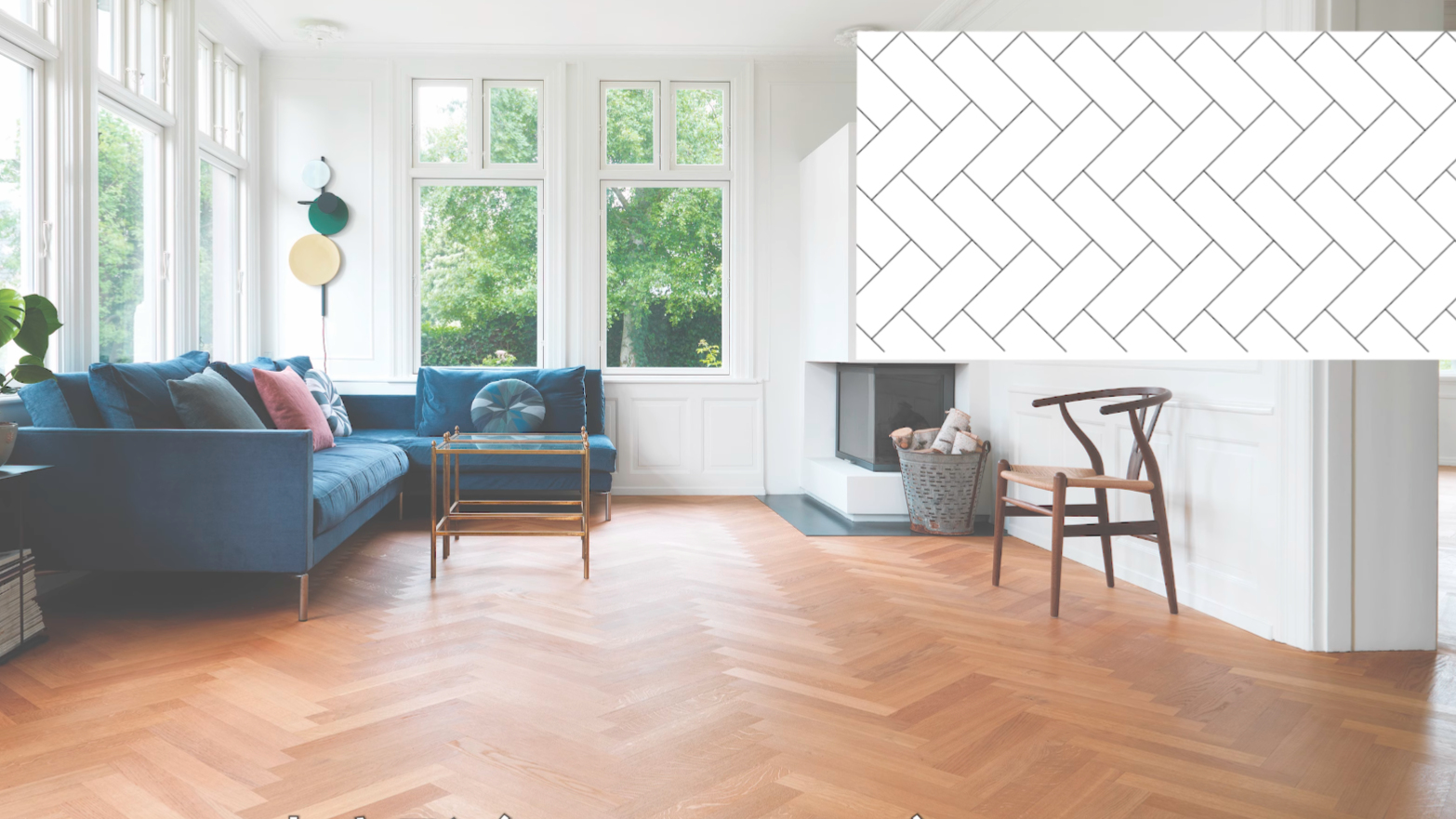
Herringbone pattern
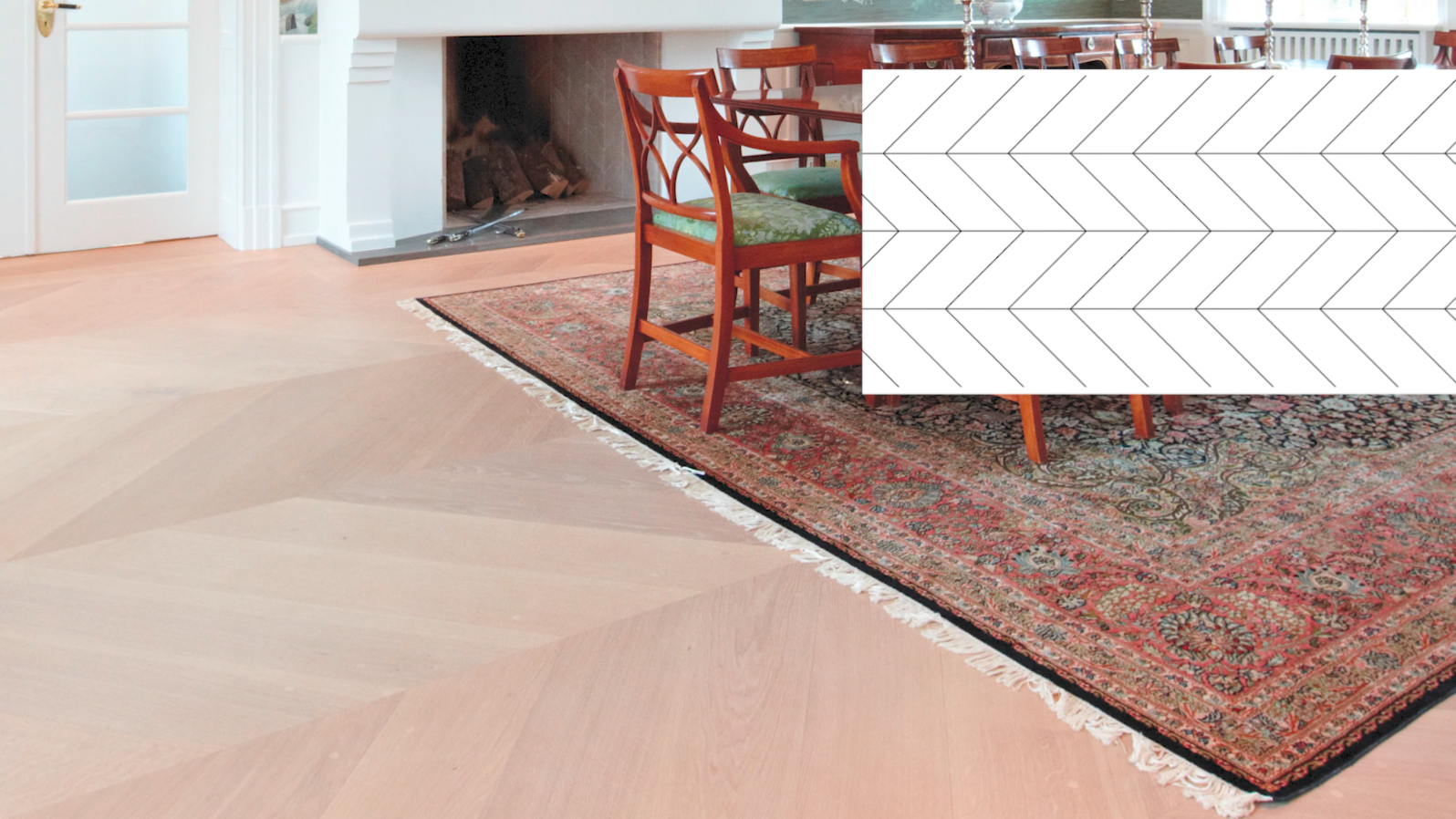
Chevron (fishbone pattern)
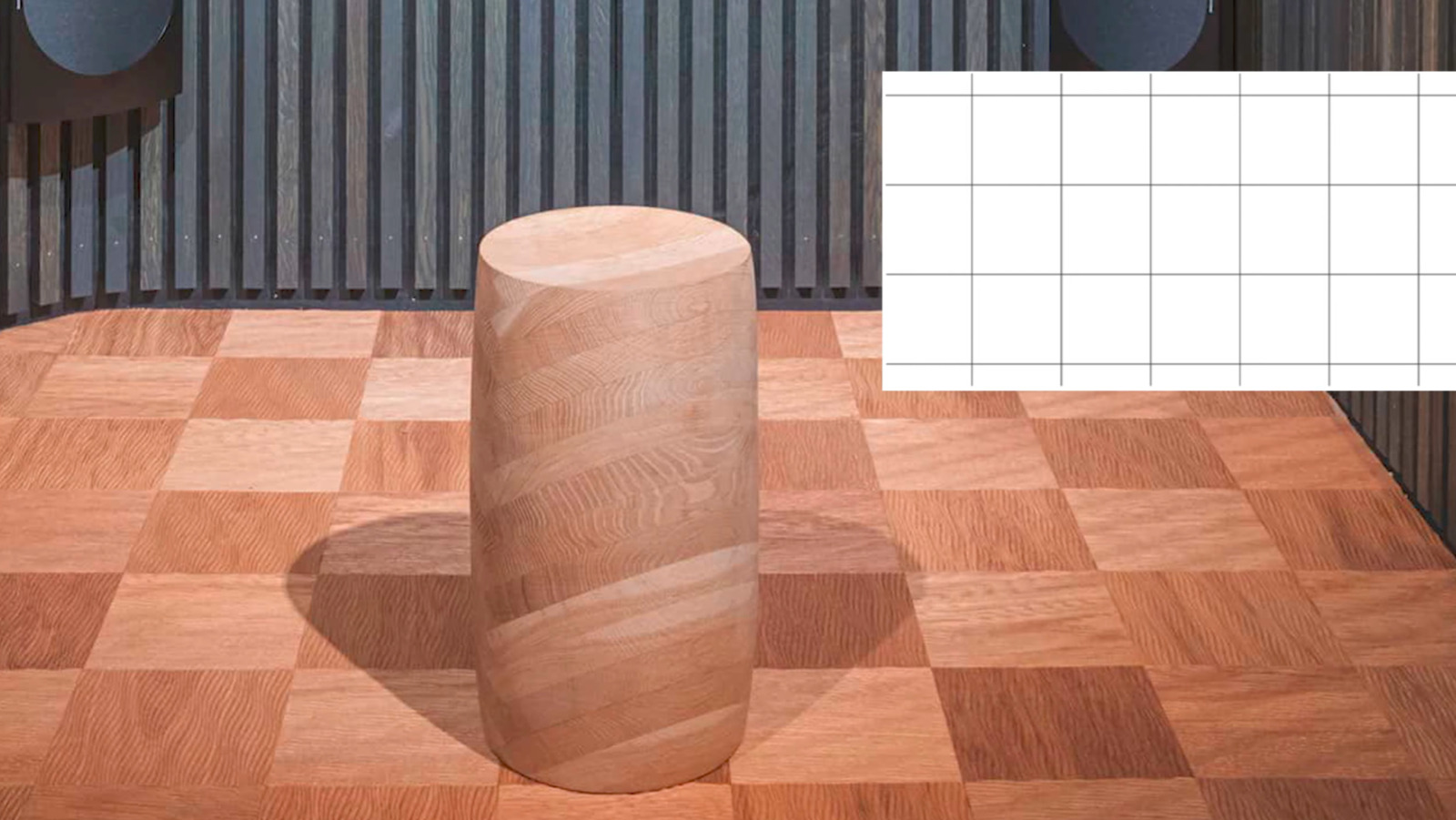
Mosaic
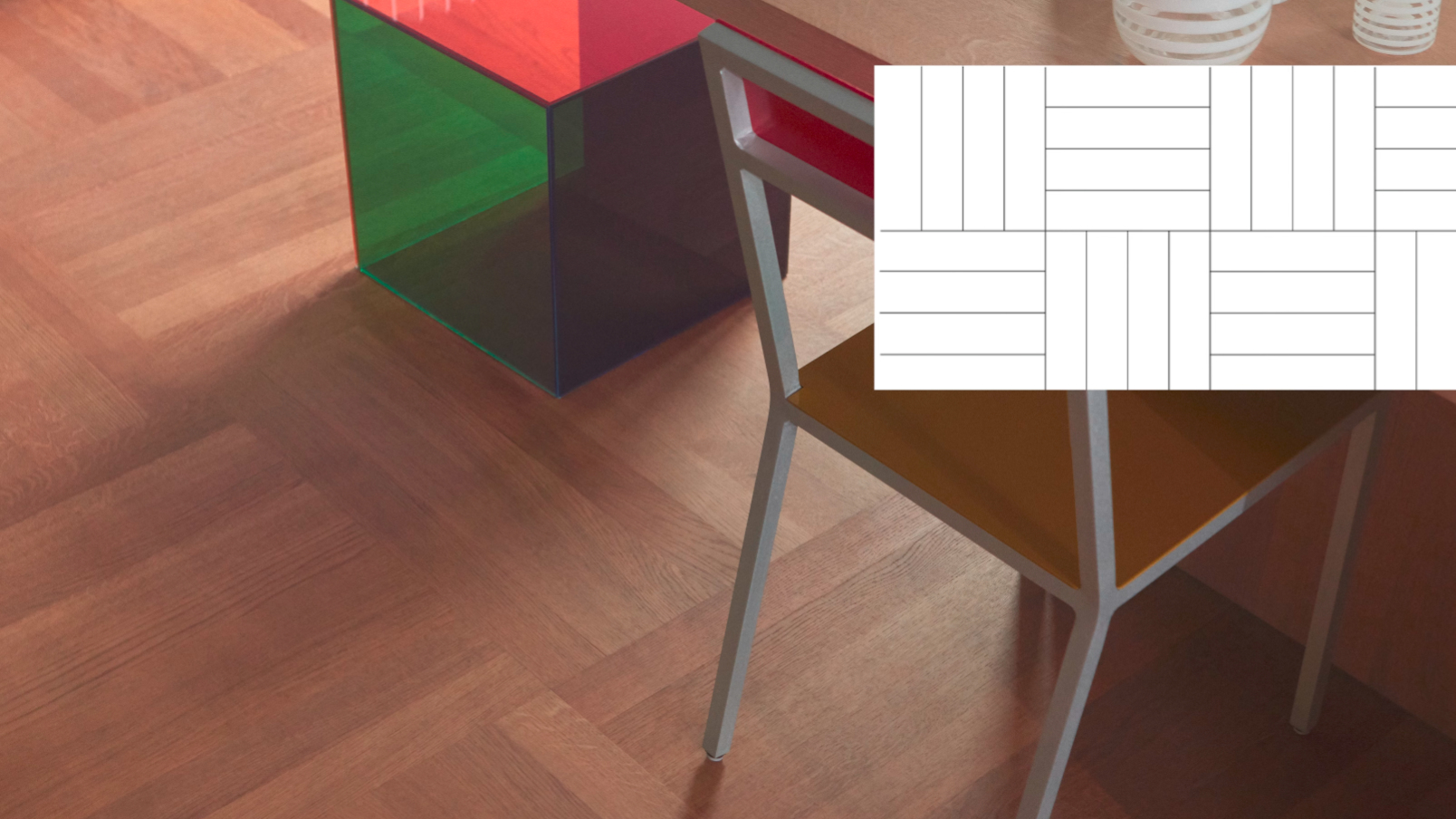
Brick-shaped pattern (Square)
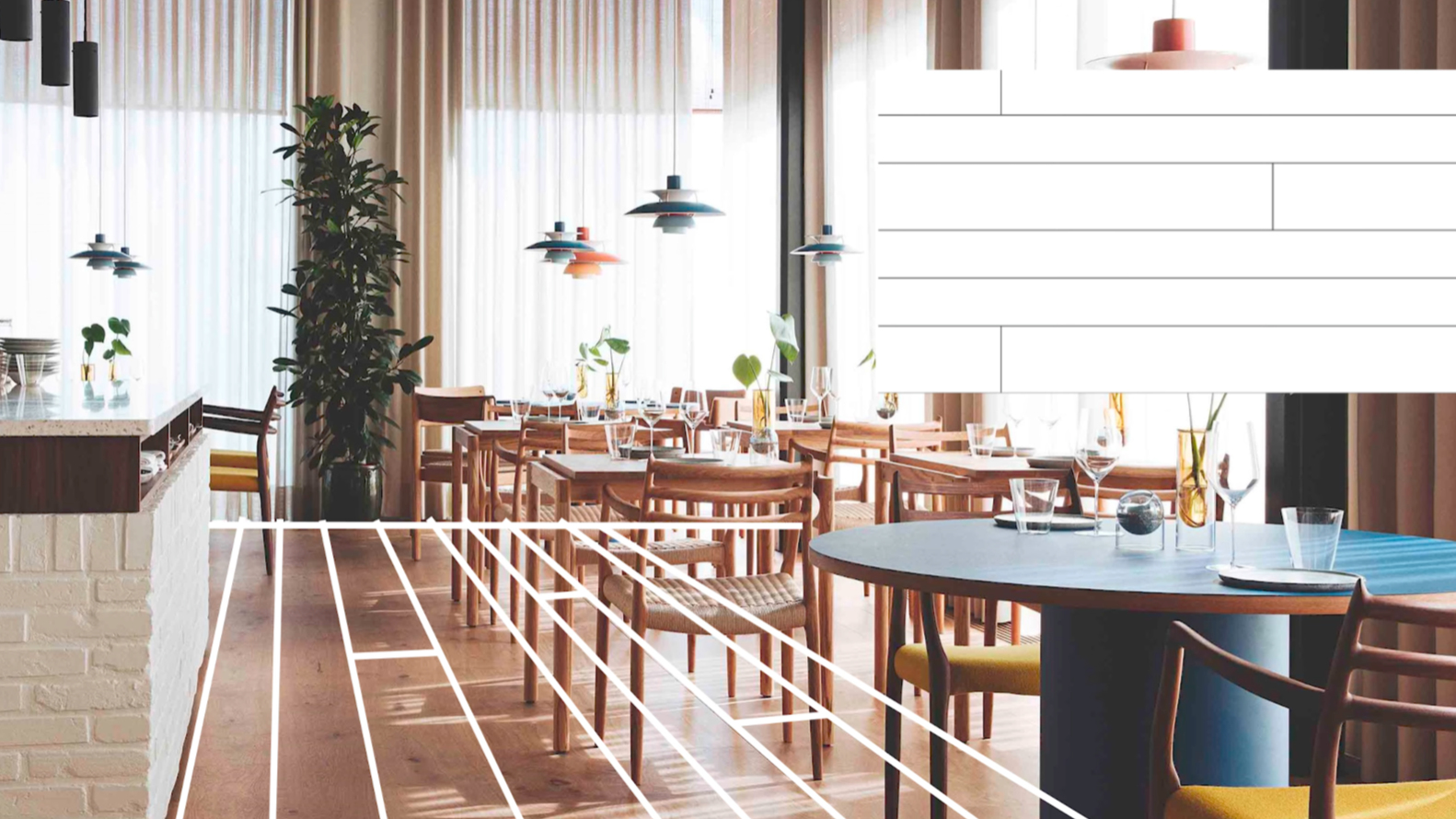
Curated Widths
There is also the rarely seen method of combining curved patterns (Historical Planks).
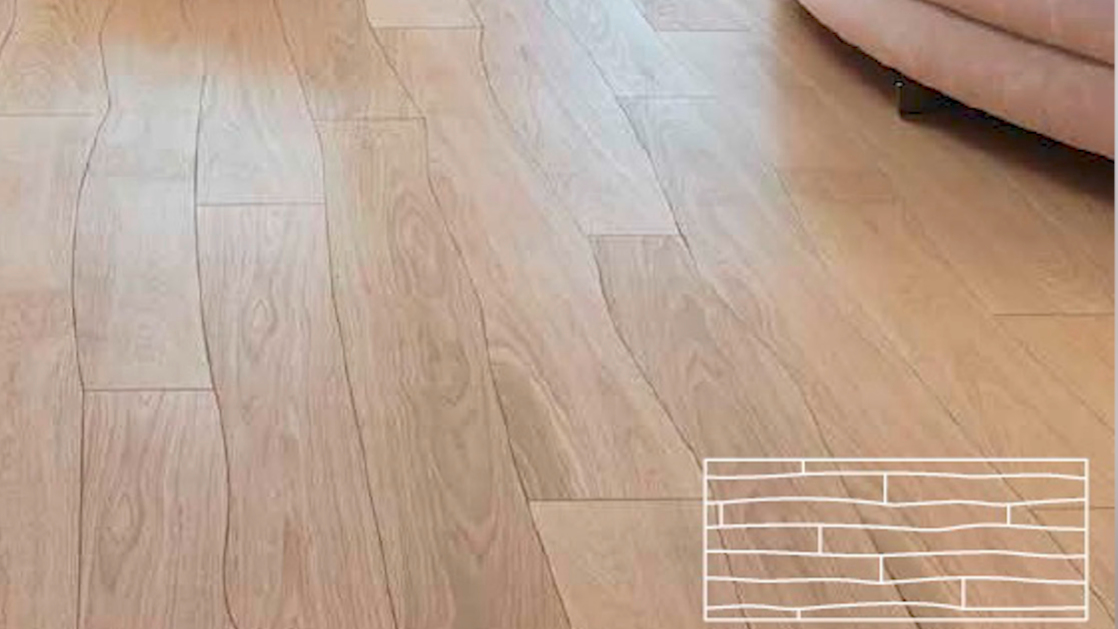
Finally, both of these laying methods require a sufficiently large area to look good. Solid wood flooring is available in different lengths and widths, and even if you use the same laying method, the results will be very different depending on the width and length of the planks.
The biggest advantage of solid wood flooring is that it provides a warmer feel to a home. Because it's made of real wood, the wood itself has a unique texture; it was once alive, and it's organic. Just touch a solid wood table and you'll know how big the difference is, especially when you're barefoot at home. Don't forget, the soles of your feet have just as many nerve receptors as your hands.
Another advantage of solid wood flooring is that it can last for many years if properly maintained. Speaking of maintenance, solid wood flooring can be polished. If you wish, you can use fine sandpaper to sand away imperfections and stains to restore its original appearance. If it has been used for a long time, you can also have the entire floor polished to remove the outermost layer of color and then have the floor recolored for a completely new look.

Another advantage of solid wood flooring is its resale value. In other countries, solid wood flooring is highly valued because it enhances the overall quality of a space. In the real estate market, solid wood flooring does indeed significantly increase property value.
Next, let's talk about the disadvantages of solid wood flooring. The biggest disadvantage is that it's very expensive. Because it's made of real wood rather than a processed product, the price is high—not just high, it's very high!
Another drawback is that it's a relatively soft material, making it prone to dents and scratches. For example, if you accidentally drop an object, it can easily dent the floor. Even moving furniture can cause scratches, and even high heels or stool legs can damage the floor. Of course, due to the durability of solid wood flooring, these problems can be solved by polishing or oiling it periodically.
In addition, the last and biggest drawback is that solid wood flooring is not waterproof and is easily damaged by moisture, especially in humid weather. The wood is prone to mold due to seasonal temperature and humidity changes. Over time, it will shrink and expand, eventually causing the floor to warp, crack, and even make noise when walked on.
However, all of the above problems can be solved with money. Mold or damaged areas can be repaired by a professional furniture repairman. If the damage is severe, it will be necessary to hire a professional wood flooring repair team. This will require removing the entire floor, drying and refinishing it, and then reinstalling it. Solid wood flooring has value and should not be easily discarded. Proper maintenance using a temperature-controlled system will greatly reduce the problem of mold and deformation.

Solid wood flooring is more suitable for homeowners. If you have extremely high standards for your home and respect nature, then high-quality solid wood flooring is the best choice. Or, if you anticipate living in one place for a very long time, decades or even longer, installing solid wood flooring will be a very worthwhile investment.
Moreover, solid wood flooring has a natural fragrance. Every time you walk into a home with solid wood flooring, you can imagine the smell. Basically, you don't need an aromatherapy diffuser.
However, solid wood flooring is quite expensive and not everyone can afford it. Next time, we will introduce some alternative options.

 Chinese
  English