Woodworking is not merely the piling up of timber, but a fusion of craftsmanship and art.Wood finishing techniquesThis is the final crucial process that gives life to wood and enhances its value. It not only protects the wood from external erosion, but also showcases its unique charm through variations in color, luster, and texture.
This article will take you on an in-depth exploration of the diverse forms of expression in each stage of wood finishing.
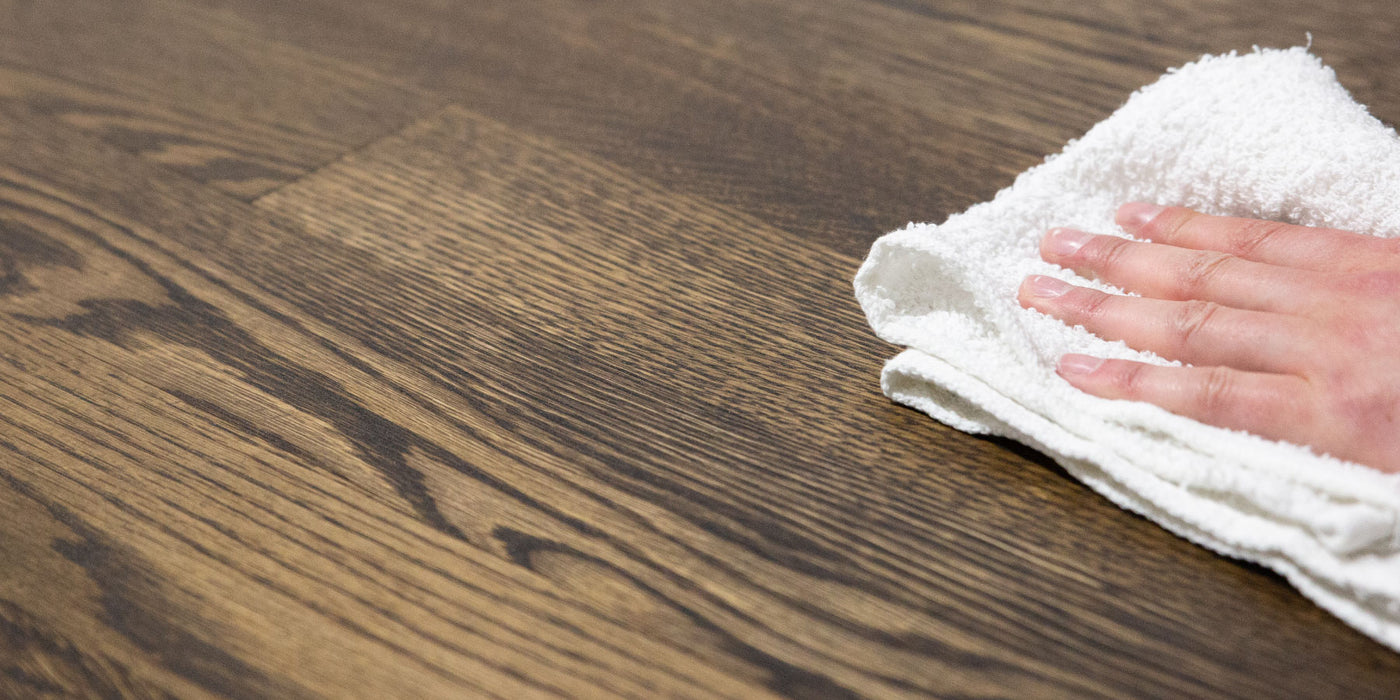
Basic preparation: sanding and coloring
All exquisite finishes begin with meticulous preparation.
First of allPolishingThis step aims to smooth the wood surface, removing burrs and unevenness, laying a solid foundation for subsequent finishing. The fineness of the sanding directly affects the smoothness and texture of the final paint film.
Next isColoringIf you want to change the inherent color of the wood,dyeingandColoringThese are common techniques. They can give wood a richer or more uniform tone, laying the color foundation for subsequent finishing effects.
Core protection: sealing and coating
To ensure that the coating adheres better and provides protectionClosedIt is an indispensable step. Through the use of...primerorsealantWe can effectively prevent wood from absorbing too much paint, while enhancing the adhesion of the topcoat.
The real "magic" happens...CoatingThe process involves several steps. There are multiple options available, each offering a distinctly different effect to the woodwork.
| Coating type | Features | Main function | Common Applications |
|---|---|---|---|
| varnish | Transparent and colorless, retains the wood grain | Provides protection, shine, and abrasion resistance | Furniture, flooring, wooden doors and windows, etc., should retain the wood grain. |
| paint | Contains pigment, opaque | Change the color of the wood, providing rich colors and protection. | Surfaces that require coloring and protection, such as walls, metal, plastic, and furniture. |
| Wood wax oil | A mixture of oils and waxes, environmentally friendly | Deeply moisturizes the wood, forming a thin protective film on the surface for a matte finish. | Eco-friendly furniture, children's toys, and flooring, all with a focus on natural touch. |
| Raw lacquer/lacquer | Extracted from natural lacquer trees using traditional techniques | Excellent corrosion resistance, moisture resistance, acid and alkali resistance, and heat resistance. | Lacquerware, high-end furniture, architectural components |
Enhanced details: Polishing and special effects
After the painting is completed,polishingIt can further enhance the surface gloss and feel, making it more delicate and smooth.
Beyond basic finishes, wood finishing techniques can create a variety of captivating effects.Special effects:
| Special effects | describe | Visual/tactile characteristics |
|---|---|---|
| Open-pore paint | The wood pores are not completely sealed. | Natural texture, rugged feel, and the real touch of wood |
| Sealing paint | Completely seal the pores of the wood | Smooth and flat, high gloss, delicate touch |
| Antique and distressed | Simulate signs of wood aging (brush marks, wormholes, scratches, carbonization, etc.) | A sense of history, a retro charm, and the marks of time |
| Brushed/Embossed | Remove the soft parts of the wood to highlight the grain. | Three-dimensionality, unique tactile experience |
| Hand-rubbed paint | By manually wiping the paint | It has good permeability, showcasing the natural warmth and delicate texture of the wood. |
| Crack paint | Patterns formed by natural cracking of the paint film | Unique artistic beauty, highly decorative |
| Functional coatings | Special ingredients are added (such as fire retardants, anti-corrosion and anti-insect agents, UV protectants, antibacterial and anti-mildew agents, etc.). | Provides specific protection features and extends service life. |
Construction methods: Multiple options available
Achieving these coating effects requires a variety of techniques.Construction methodChoosing the right construction method can ensure the best coating effect.
- SprayingUsing a spray gun to atomize the paint and then spray it evenly results in high efficiency and a uniform paint film.
- brushingApply with a brush; it's flexible and suitable for small areas or irregularly shaped parts.
- Roller coatingApply using a roller; suitable for large, flat areas.
- Dip coatingThis method involves immersing wood in a paint tank to ensure even coating, and is suitable for small or complex-shaped wooden products.
- Spray coatingThe coating is applied to the wood surface using a spray curtain machine, which is suitable for large-scale production of flat surfaces.
- wipingAs mentioned above, hand-wiping paint involves wiping with a cloth or other tools to allow the paint to penetrate and form a thin, even coating.

Wood finishing is a world full of creativity and detail. Whether you're seeking the natural color of the wood, giving it a fresh new look and texture, or adding unique functionality, there's always a suitable finishing technique to meet your needs. Understanding these techniques will help you better appreciate the beauty of woodwork and choose the most suitable "outer garment" for your woodworking projects.

 Chinese
  English