When it comes to furniture finishing, should you choose oil-based or water-based paint? Currently, most craftsmen in our market have already chosen water-based paint. Why choose water-based paint? First, it's environmentally friendly; second, customers are more likely to accept it.

Have you ever noticed that when you go out to repair furniture, if a technician using water-based paint and one using oil-based paint come at the same time, the repairman will be told to leave immediately, saying, "You don't need to do the repairs anymore." Why? Because the paint you're using smells too strong, especially in homes with children or elderly people who are more sensitive to odors. This is one reason why water-based paints are gradually becoming more common in the furniture repair and maintenance market.
Water-based paints are mainly composed of water-soluble resins, pigments, and water; latex paint, which we commonly refer to, is a type of water-based paint. Oil-based paints, also known as nitrocellulose lacquer, are common coatings used for woodwork and decoration. The main film-forming material of nitrocellulose lacquer is nitrocellulose, combined with alkyd resins, modified rosin resins, acrylic resins, amino resins, and other soft and hard resins. Regarding dilution, water-based paints can be diluted directly with water, while oil-based paints require organic thinners, and oil-based thinners generally have a pungent odor.
In terms of environmental protection, water-based paints do not require the addition of harmful substances such as formaldehyde, xylene, and benzene during the manufacturing process. Oil-based paints, on the other hand, contain volatile organic compounds such as formaldehyde, toluene, and xylene, and also use thinners, so they have a pungent odor during use. After application, it is necessary to ventilate the room for at least 2-3 hours to avoid causing dizziness, nausea, shortness of breath, vomiting, or damage to the brain.
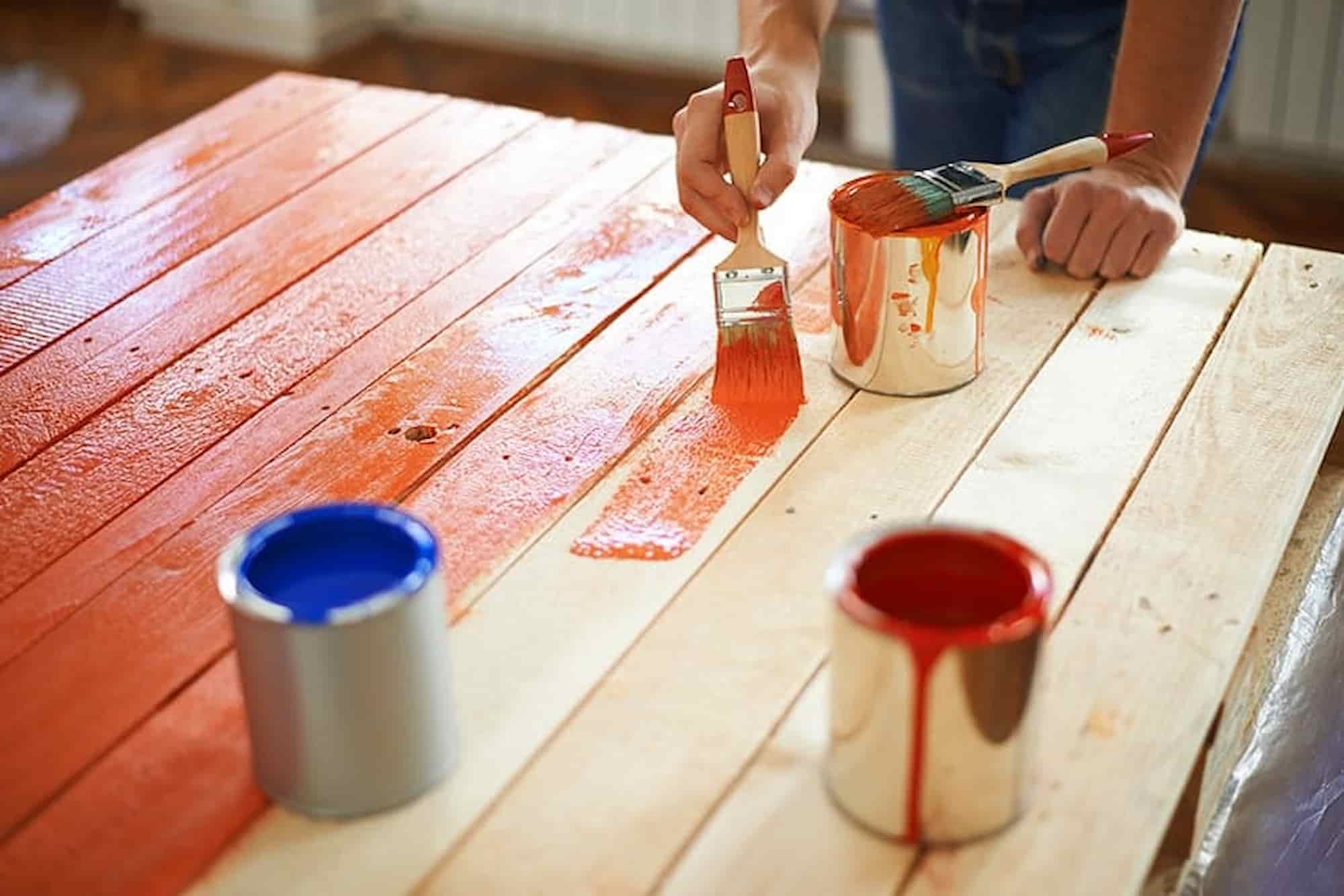
Oily paint can cause nausea and dizziness, and it can also harm the liver, kidneys, and brain. It can irritate mucous membranes and the respiratory tract, causing throat allergies or even asthma. Painters who use oily paint for a long time are more likely to develop cancer.
Since water-based paints are already widespread, why do oil-based paints still exist? Water-based paints prioritize environmental friendliness, but in terms of durability, they currently cannot compare to oil-based paints, which are inherently waterproof. In outdoor environments, places prone to water immersion, and areas frequently stepped on, oil-based paints have a clear advantage in terms of furniture warranty coverage.

Whether to choose water-based paint or oil-based paint is up to you. If you have elderly people or children at home, and the repair area isn't likely to be flooded or is not outdoors, we prioritize water-based paint. For repairs to shower rooms, kitchens, or other areas prone to flooding, or door thresholds and other areas with daily foot traffic, we prioritize oil-based paint.
It's not hard to imagine that with the upgrading of materials, water-based paints, while being environmentally friendly, are likely to be even more durable, and it's not impossible that oil-based paints will completely disappear from the historical stage.
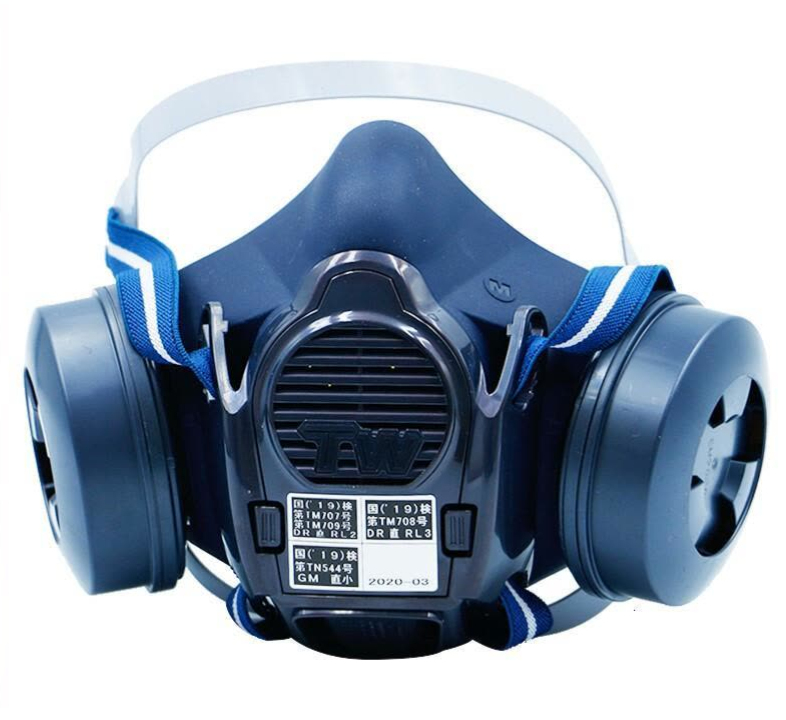
Important reminder: Currently, if oil-based paint must be used due to warranty issues, please ensure that your beauty technician wears a respirator properly. While earning money, it's even more important to prioritize your health.

 Chinese
  English