In recent years, the Mid-century Modern style, a decorating style that combines retro aesthetics with modern functionality, has gained increasing popularity among home decor enthusiasts. This article will provide a detailed analysis of the core elements, design suggestions, clutter tolerance, and practical points of the Mid-century Modern style, helping you create a tasteful and comfortable home.
I. What is medieval style?
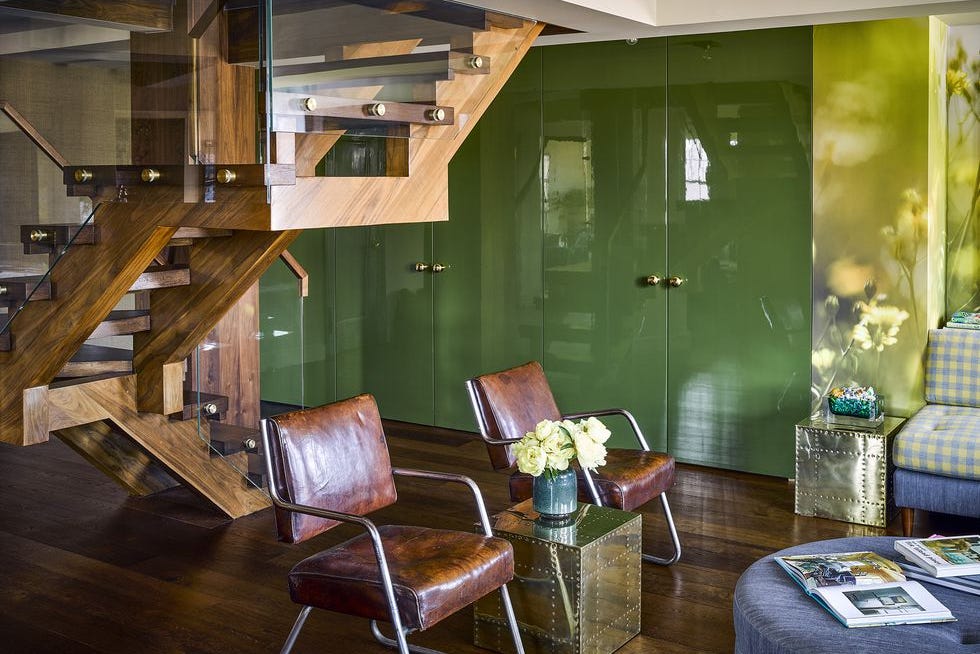
Mid-century modernism, originating from the furniture design of the 1940s to 1960s, emphasizes "form follows function," employing simple lines, natural materials, and saturated but not overly intense colors, combining retro charm with modern practicality.
Common misconceptions:Don't mistake "distressed style" or "messy retro mix" for vintage style. Vintage style design is more rational, systematic, and emphasizes proportion and texture.

II. Key Design Points and Matching Suggestions for Vintage Style
1. Furniture Selection
- Choose teak, walnut, or natural wood furniture with a simple structure and low profile.
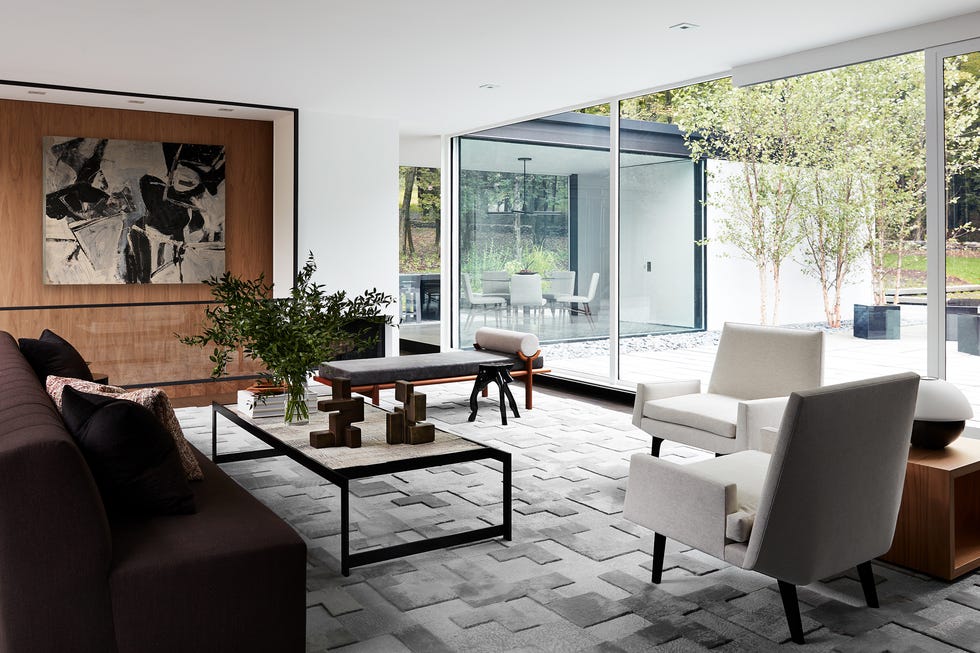
- Slim leg designs (such as bent legs or tapered legs) can better convey a sense of lightness.
- suggestion:For small apartments, choose furniture with strong lines and a light visual feel to avoid a feeling of oppression from large, bulky pieces.
2. Color matching
- Common color schemes include: caramel brown, dark green, brick red, navy blue, and mustard yellow.
- suggestion:Use neutral colors as the main tone, supplemented by 1-2 retro main colors to maintain overall harmony.
3. Material and Texture
- It makes extensive use of natural materials such as wood, rattan, leather, and metal.
- suggestion:Choose secondhand furniture with a sense of age, or antique-style furniture to enhance the ambiance.
4. Lighting Fixture Selection
- We recommend using vintage pendant lights (such as Sputnik), floor lamps, and Gino Sarfatti lighting fixtures.
- suggestion:Use multiple light sources to create a sense of depth, such as a combination of wall lamps and table lamps.
5. Soft furnishings and decorations
- Geometric patterned rugs, vintage wall hangings, art pieces, and sculptures are all good decorative items.
- suggestion:Leave some blank space and avoid cluttering the area to maintain visual neatness.

3. What is the "tolerance rate" for disorder in medieval style?
Tolerance rateThis refers to the space's ability to accommodate everyday clutter. In this respect, the medieval style exemplifies...Medium to high:
- Advantages:The warm tones and smooth lines of the furniture in the vintage style make it less prone to getting dirty or cluttered, allowing for a balance between a sense of everyday life and a sense of design.
- reason:Most furniture has closed storage (such as drawers and cabinet doors), and when combined with decorative soft furnishings, minor clutter can be masked by a sense of style.
- suggestion:Pay attention to storage planning, such as rationally arranging hidden storage in side cabinets and coffee tables to maintain tidiness.
IV. Practical Suggestions for Vintage Style Decoration
- The international secondhand market has abundant resources:Unique items can be found through local flea markets, furniture exhibitions, and international secondhand furniture e-commerce platforms.
- Functional integration:The exterior retains a retro feel, while the interior can be equipped with modern features such as electrical outlets and hidden storage.
- Controlling the degree of aging:Don't overdo the "antiquing" process; focus on the texture rather than deliberately making it look old.
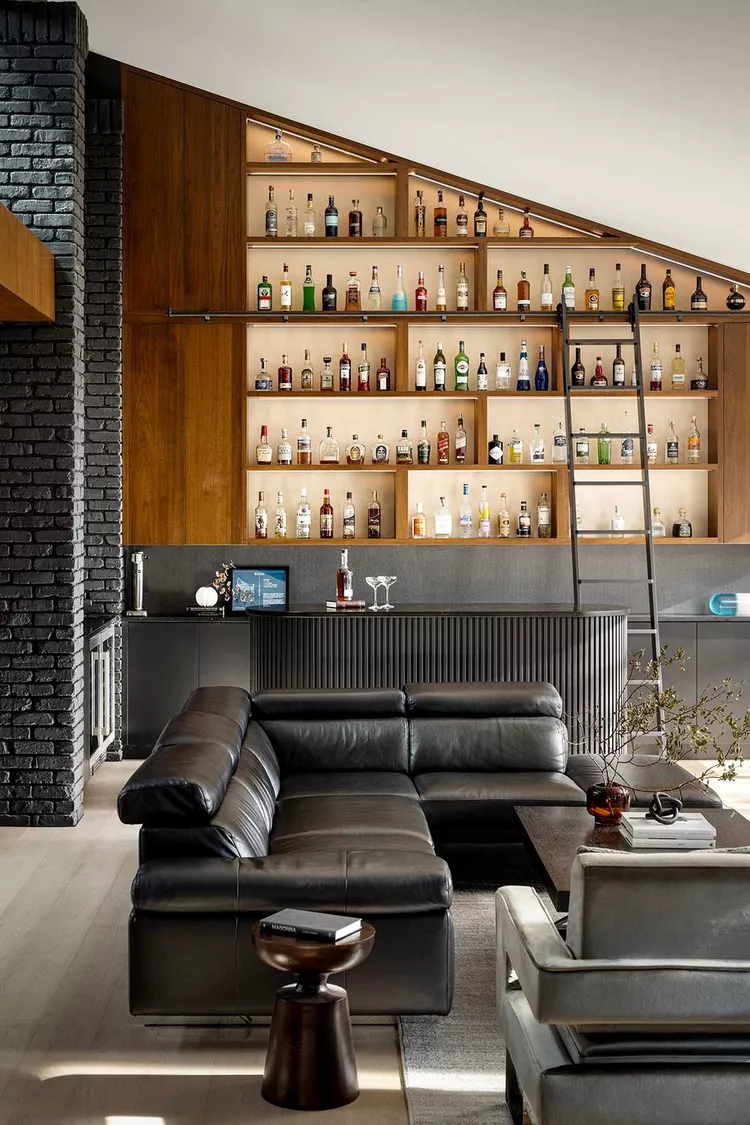
- Hidden storage:Choose furniture with cabinet doors or drawers, and keep the surfaces clean.
V. Who is the right person to choose vintage style?
- People who appreciate retro aesthetics and value quality of life.
- People who enjoy slowly creating their space and savoring the pace of life.
- People who have some knowledge of furniture and are willing to invest time and budget to find classic styles.
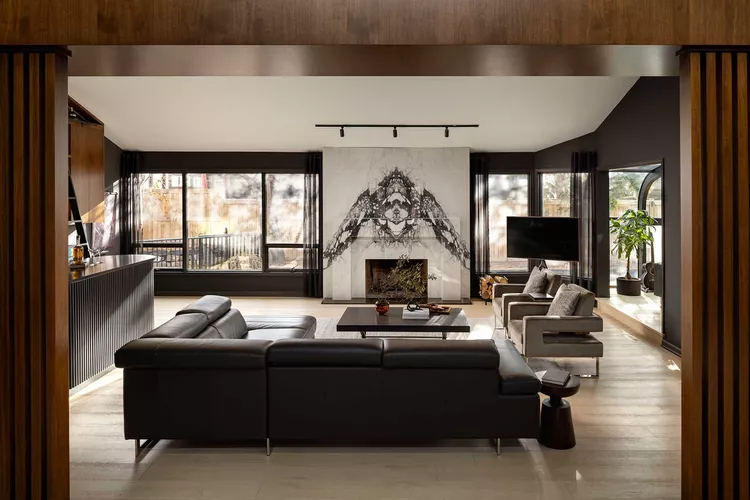
Vintage style is not simply about "retro," but rather a profound understanding and application of design, materials, and proportions. If you want your home to have warmth, personality, and aesthetic appeal, why not try this timeless style?

 Chinese
  English