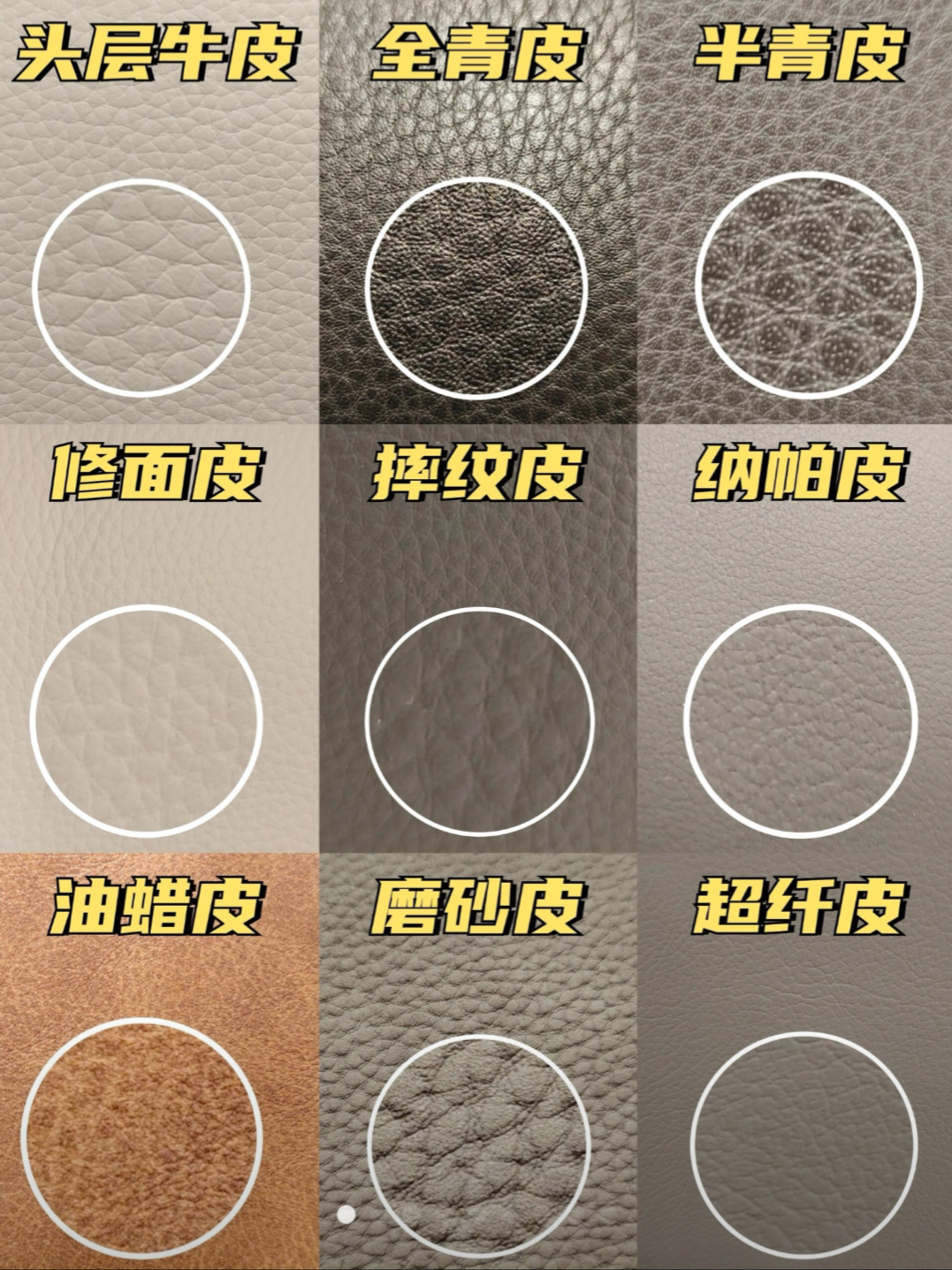
- [Top-grain cowhide]
Sofas are usually made using top-grain cowhide.

Advantages: It is better than split leather in terms of breathability, durability, and toughness.
Disadvantages: Too many varieties, difficult to distinguish, and consumers are easily misled.
- [Full green skin]
It has fine pores, a natural texture, good toughness, and is durable.

Advantages: Soft and delicate, with a "fleshy" feel, and good breathability.
Disadvantages: It leaves many scars, is difficult to manage, and cannot remove sweat, oil, etc.
- [Half-green skin]
Large pores, natural texture, with a light coating, making it a bit more durable.

Advantages: Delicate to the touch, breathable, and easy to care for.
Disadvantages: Requires regular maintenance and is a bit pricey.
- [Face Repair]
The texture is smooth and neat, without pores, and the coating is relatively thick.
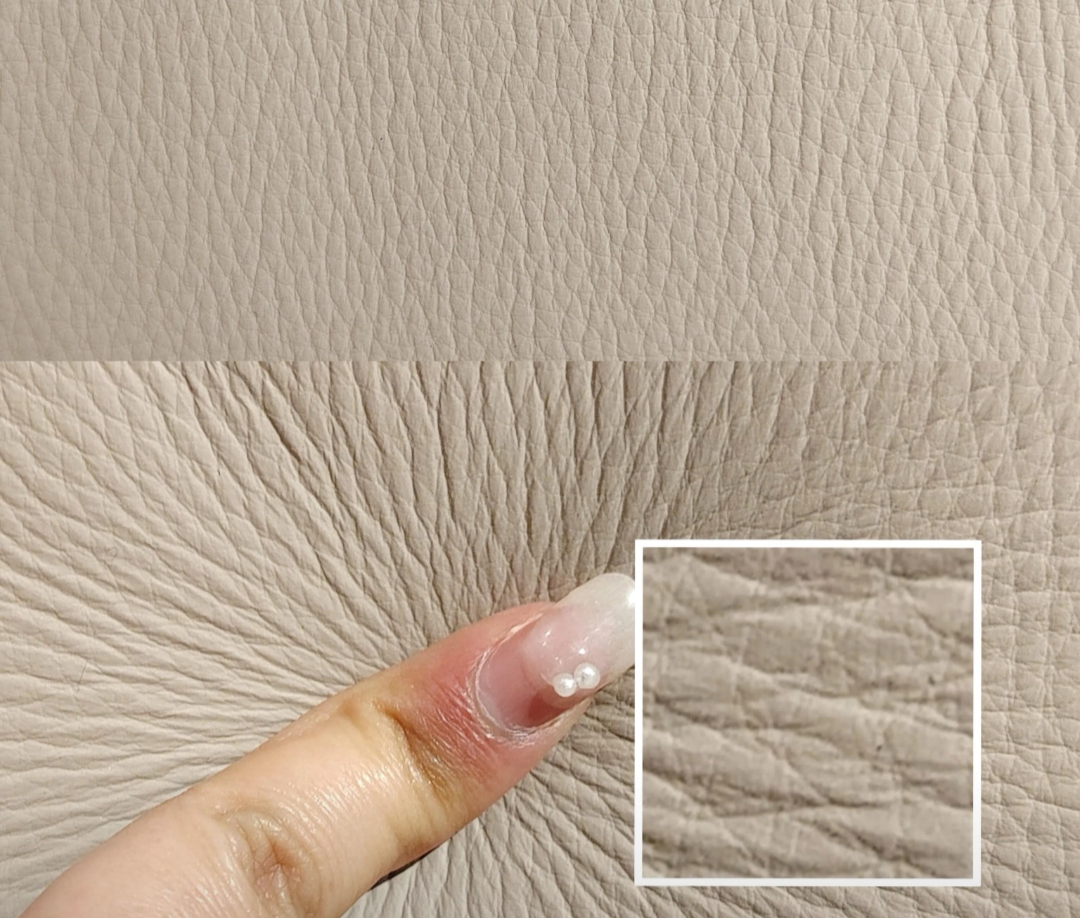
Excellent: Good wear resistance and water resistance, easy to maintain.
Disadvantages: Poor breathability; skin may peel after prolonged use.
- [Tumbled Leather]
The texture formed by repeated tumbling inside the drum.
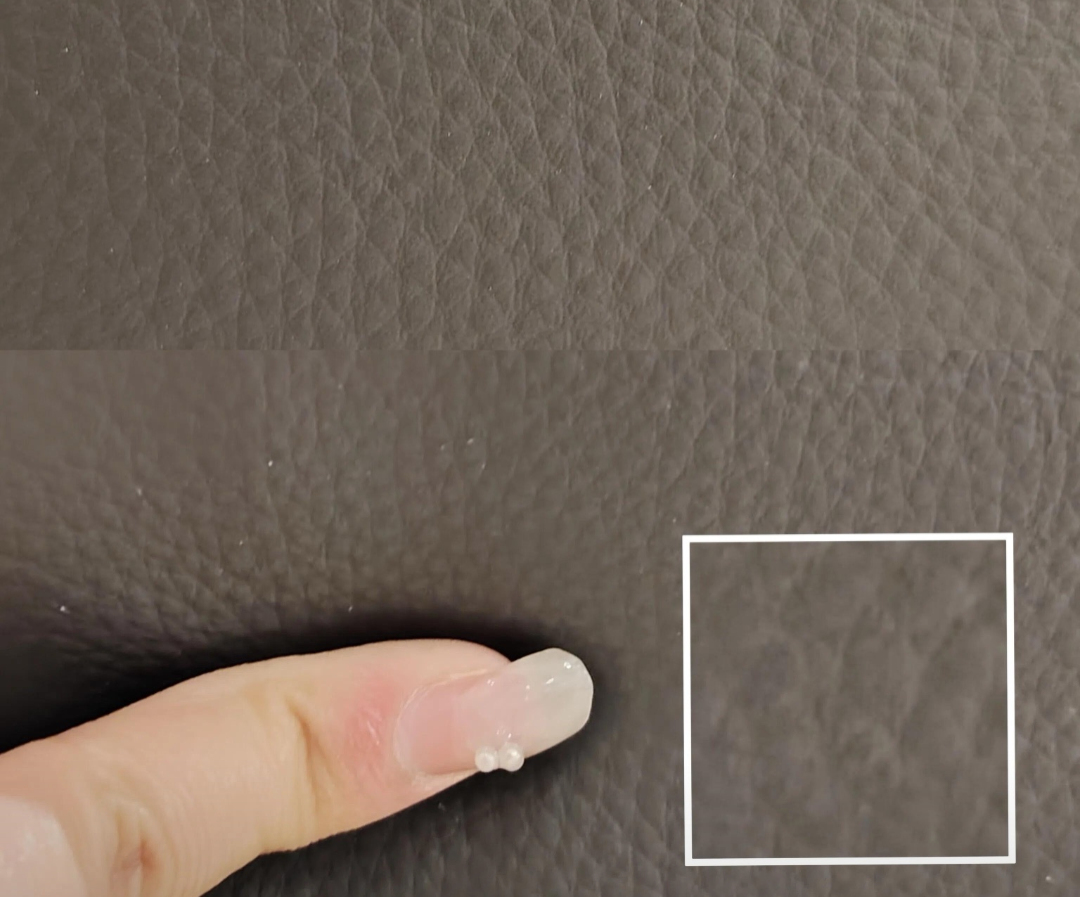
Advantages: Natural texture, very durable, high cost performance.
Disadvantage: Strong odor.
- [Napapi]
The texture is delicate and the feel is soft. Good Nappa leather has natural pores, while microfiber leather does not.

Advantages: Good feel, good breathability, good elasticity.
Disadvantages: Poor wear resistance and high price.
- [Frosted leather]
It has a suede-like feel, no coating, and requires high-grade leather.

Advantages: Skin-friendly, breathable, environmentally friendly and healthy.
Disadvantages: It will fade after being exposed to the sun, and it is difficult to clean up oil and water stains.
- [Oil-waxed leather]
It has a fine texture, a layer of oil on it, and a smooth and firm feel.
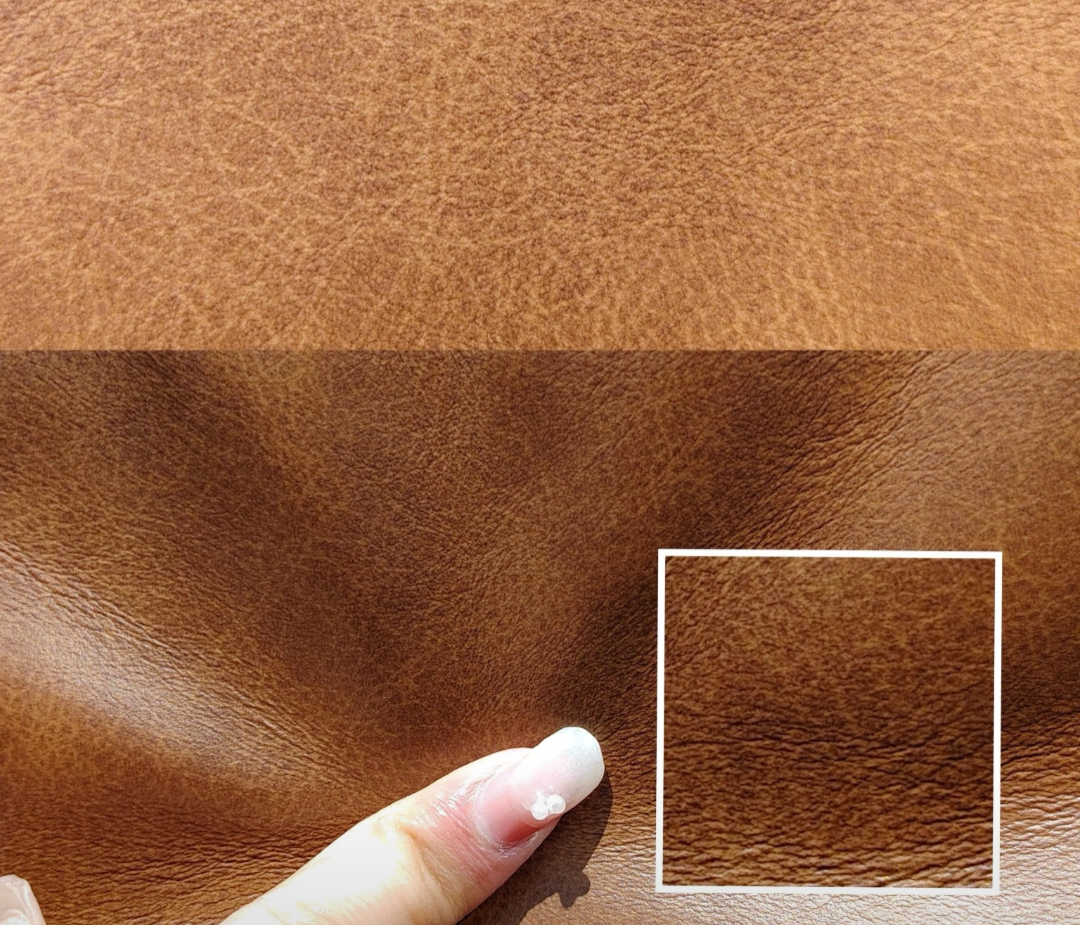
Advantages: Good breathability, high gloss, and good wear resistance.
Disadvantages: It is susceptible to moisture, and the contact surface is prone to discoloration over time.

 Chinese
  English